
For Parents
Why Your Child Can’t Feel the Bed Getting Wet
The physical reason behind the wet sheets — and why the alarms, charts, and “he’ll grow out of it” were all aimed at the wrong thing.

If you’re reading this at 2 a.m., standing over another stripped mattress, part of you is asking a question you’d never say out loud: What am I doing wrong?
Here’s the answer, and it may be the first honest thing anyone has told you about this: nothing. You are doing nothing wrong. Neither is your child. And the reason every single thing you’ve tried has failed — the alarm that woke the whole house except him, the reward chart that only taught him to feel like a failure, the pediatrician’s shrug of “he’ll grow out of it” — is that all of it was aimed at a target that was never there.
Give me six minutes. If you’ve been carrying this alone, this is the part nobody explained.
The 2 a.m. no one warns you about

You know the sequence by heart. The small hand on your arm in the dark. The walk to his room you could do with your eyes closed. Stripping the sheets by phone-light so you don’t fully wake him. The mattress pad that didn’t quite cover it again. The load of laundry that’s still in the machine from yesterday. And the part no one warns you about — lying awake afterward, wide-eyed at 2:40 a.m., doing the math on how many years this has been going on.
Then the second bed. The waterproof pad that crackles every time he rolls over. The pajamas that never quite dry on the radiator. The faint smell you can’t get out of the mattress no matter what you spray on it. You’ve become an expert in a job you never applied for.
He isn’t alone either. By age six, one in five children still wets the bed. Roughly nine in ten of them believe they’re the only one. And nearly eight in ten have never been to a single sleepover — not because they weren’t invited, but because saying no felt safer than being found out.
Everything you tried failed for the same reason
Walk through the graveyard with me. You’ll recognize every headstone.
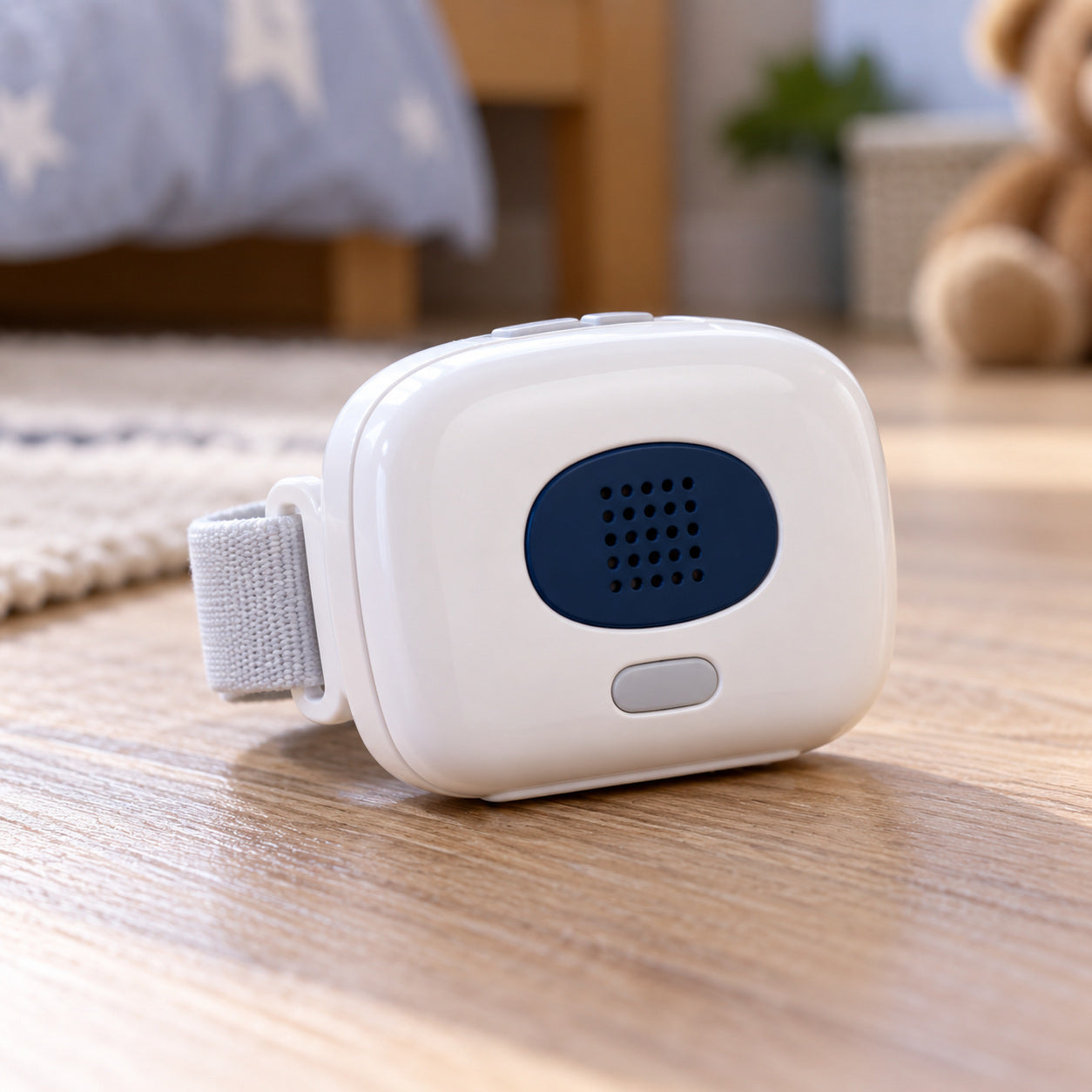
The alarm.
You bought the good one… it did not wake him.
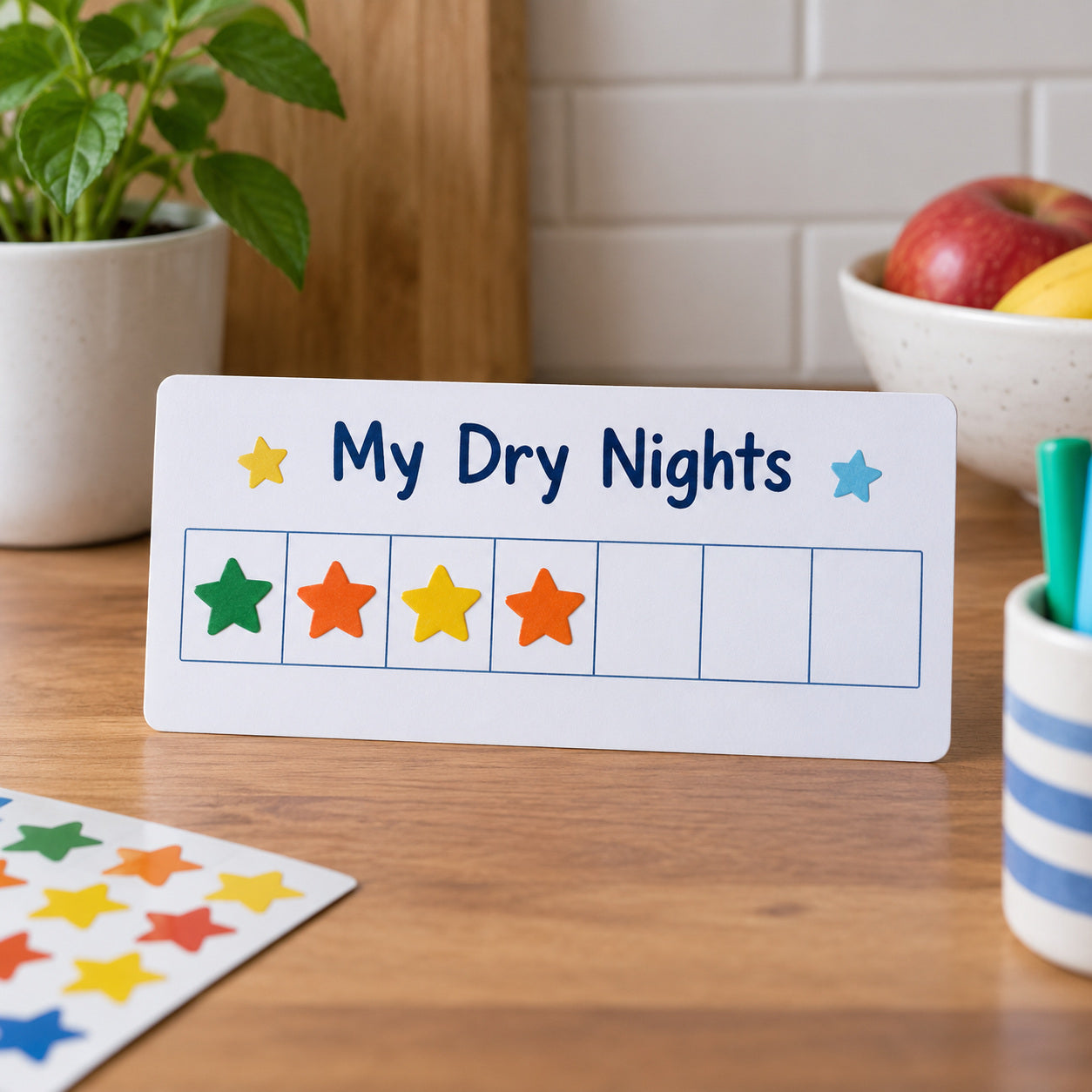
The reward chart.
A gold star for a dry night… a scoreboard of his own failure.
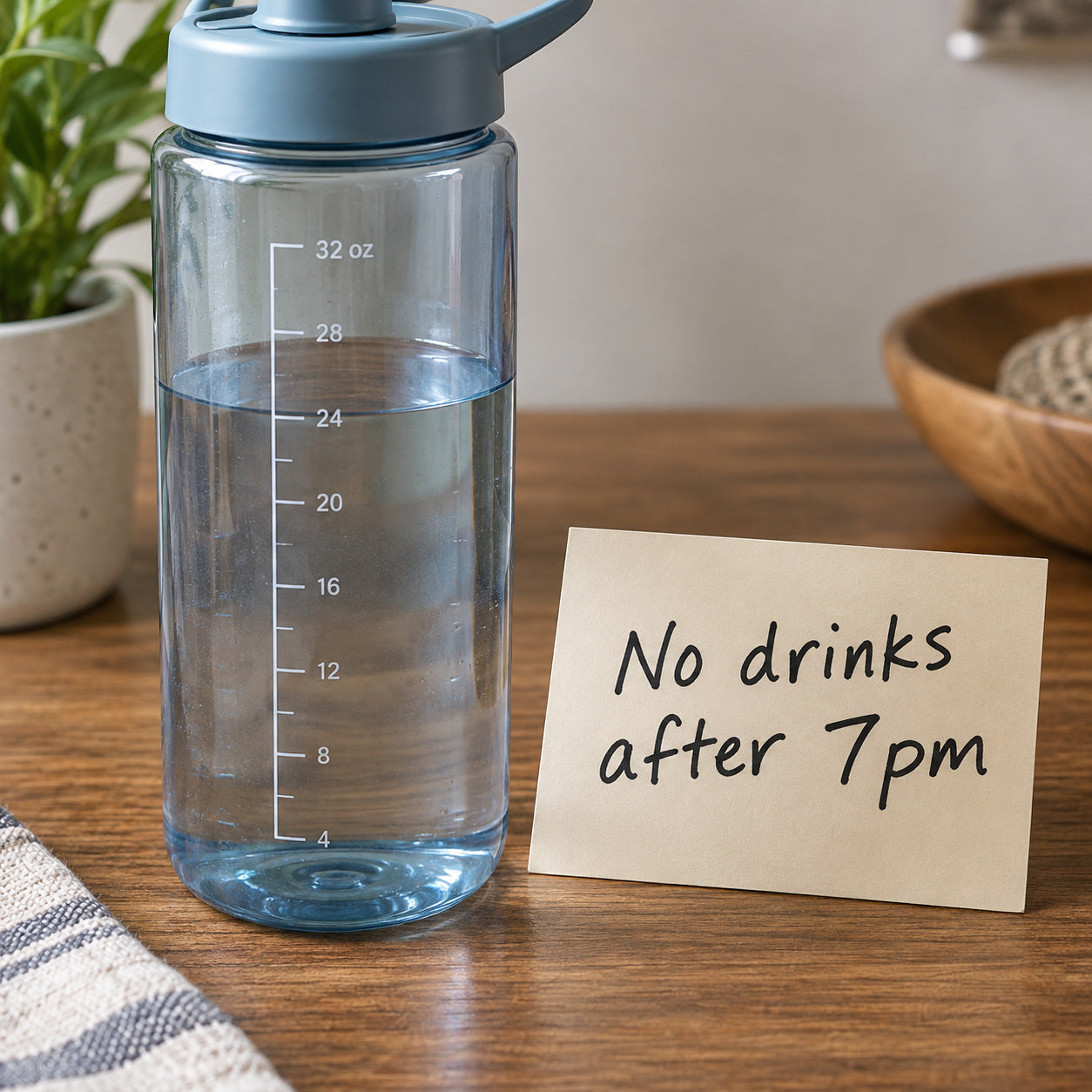
Waking him to pee / cutting off drinks.
Sometimes it worked. Mostly it just meant two people lost sleep instead of one.

The pull-ups / pediatrician.
They saved the sheets — but weren’t fixing anything. “He’ll grow out of it.”
Here’s what none of them told you, and it’s the whole thing: every one of those fixes was aimed at his behavior. But bedwetting was never a behavior.
Every one of those fixes was aimed at his behavior.
But bedwetting was never a behavior.
The Bladder–Brain Gap
Picture a doorbell with dead batteries.
At night, when your child’s bladder fills up, it’s supposed to press that doorbell — send a signal up to the sleeping brain that says wake up, it’s time, go now. In a child who’s still developing, that wiring isn’t finished yet. So the bladder presses the button. The doorbell rings. And nobody upstairs hears it.
He is not sleeping through a choice. He is sleeping through a signal that physically is not reaching him. Two things are happening at once, and neither is his fault:
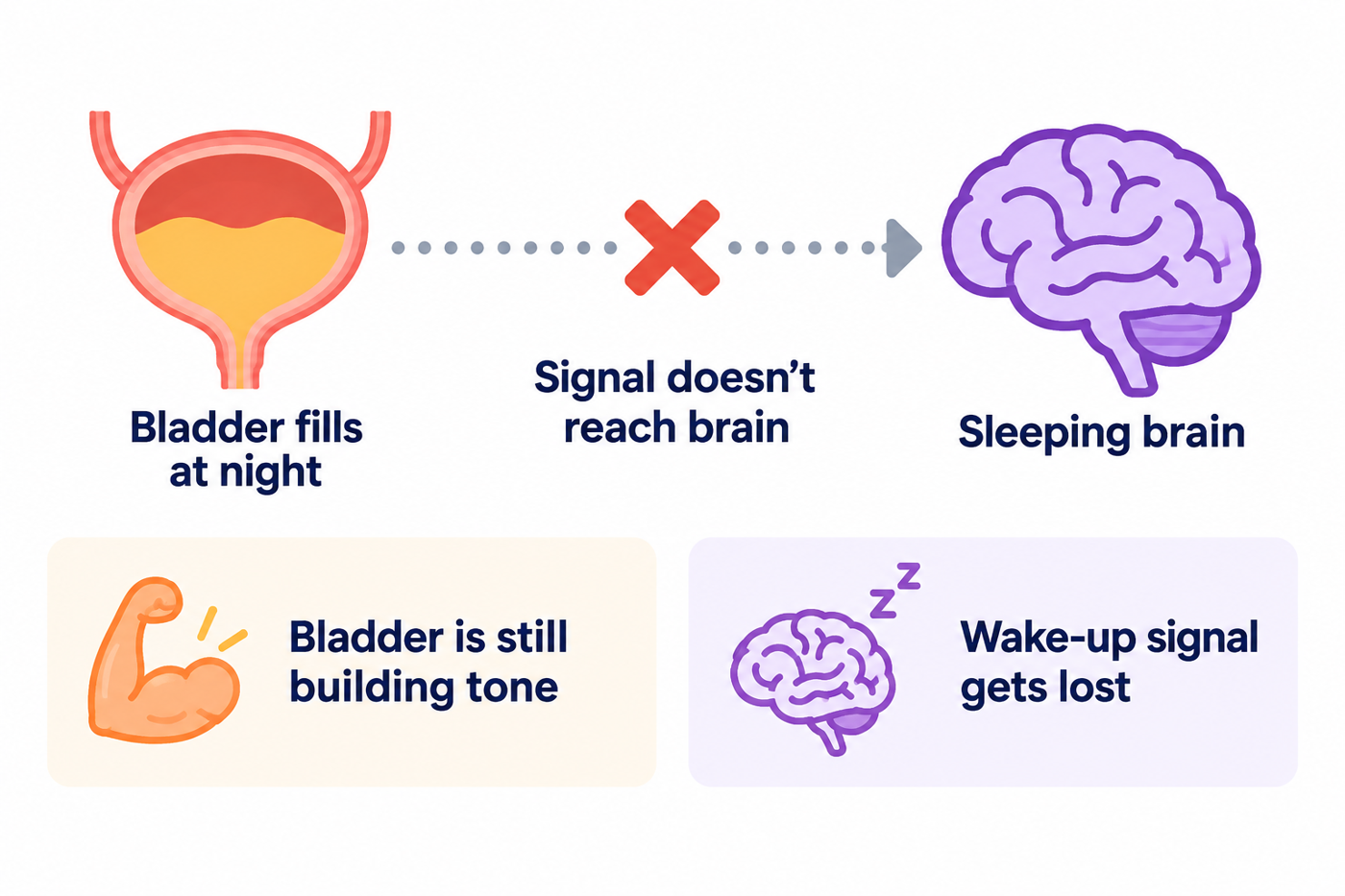
Of course the alarm didn’t work — it needs him to feel the one thing he can’t feel. Of course the chart didn’t work — you can’t chart your way out of a reflex. It was never behavior. It was a gap. And a gap doesn’t need to be disciplined. It needs to be supported — until his body closes it on its own.
Before we get to what helps — be honest about what waiting costs
Waiting. The pediatrician isn’t wrong, exactly. Most kids do eventually outgrow it. But sit with that word — eventually.
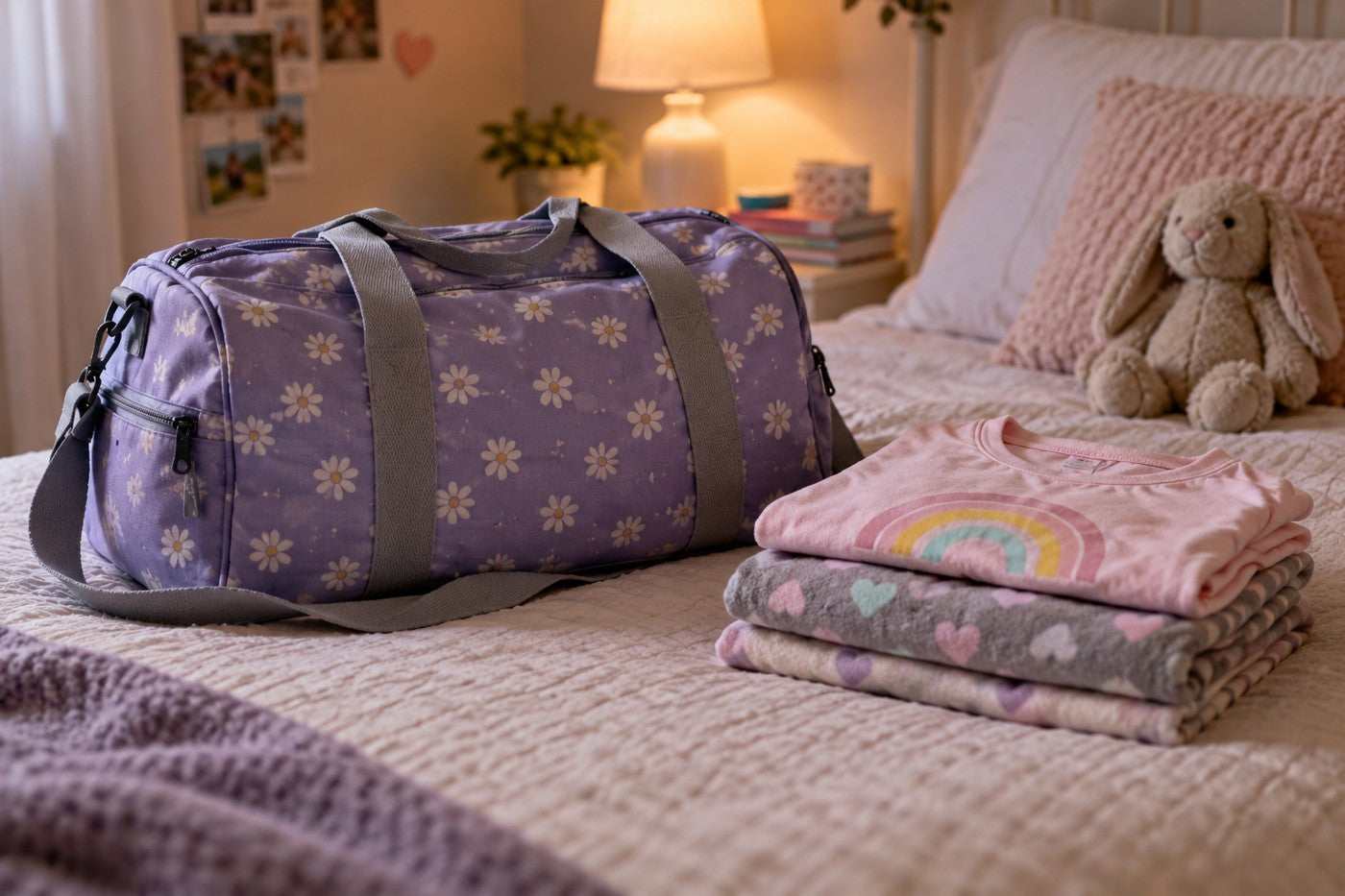
Eventually can mean another full year of 2 a.m. sheet changes. Another summer he says no to camp. Another birthday party where the sleepover invitation comes and, this time, he’s the one who asks you to say no.
Waiting isn’t free. It only feels free because the bill doesn’t come as money. It comes as his confidence, your sleep, and years that don’t come back.
The support adults have quietly used for years — finally made for kids
The ingredients that support healthy bladder tone are not new, and they are not exotic. Pumpkin seed oil and saw palmetto, traditionally used to support healthy bladder function, are sold to grown-ups by the shelf-full. So we did the work nobody else had. That is the whole reason Dry Nights exists.

- Drug-Free
- Sugar-Free
- Non-GMO
- Ages 4+
- 60-Night Guarantee
Tone — the gummy. Pumpkin seed oil, dosed at a kid-appropriate level. Support — the second ingredient: saw palmetto, paired with pumpkin seed oil and traditionally used to support healthy urinary function. Timing — the free guide. Every pouch comes with the 30 Nights to Dry parent guide.
Two child-safe gummies before bed. No device strapped to his body. No prescription. No harsh fluid-restriction battles. Drug-free, sugar-free, non-GMO, made for ages 4 and up. Dry Nights doesn’t override your child’s body. It supports the two systems that are already trying to finish — gently, from the inside — while the wiring catches up on its own schedule.
See Dry Nights →60-night money-back promise · Free 30 Nights to Dry parent guideWhat to actually expect
No honest company promises your child is dry by Tuesday. Here’s the real shape of it:
The gummy becomes part of the bedtime routine. Most kids like the pineapple, so this is the easy part.
Many parents start to notice it: a first dry morning, then another, then a small cluster of them.
The dry stretches tend to lengthen as the support and the routine compound on each other.
Every child is on their own clock. Which is exactly why the guarantee runs the length it does.
Try it for 60 nights. If mornings aren’t drier, it’s free.
Use the gummy. Follow the guide. Give it the full 60-night trial period. If you’re not seeing drier mornings by the end of it, email us and we’ll refund every dollar. No return shipping. The guide is yours to keep either way.
You didn’t do this. Neither did your child. But you can be the one who finally understood why — and did something built for the real reason instead of the wrong one.
See Dry Nights & Start the 60-Night Promise →Two gummies before bed · Free parent guide includedThese statements have not been evaluated by the Food and Drug Administration. This product is not intended to diagnose, treat, cure, or prevent any disease. New-onset bedwetting after a long dry period, daytime accidents, or pain should be discussed with your pediatrician first.