
5 Reasons Active Women Over 45 Are Rethinking How They Support Stiffness, Recovery & Everyday Movement
Especially when the same workouts, walks and busy days suddenly leave their body feeling much older than they actually feel.
Learn More →
“What you’re experiencing may not be ‘just getting older.’”
That was the explanation that finally made everything click.
Because nothing about my lifestyle had suddenly changed.
I was still walking. Still exercising. Still trying to stay strong.
Yet somehow, my body felt like it had aged 20 years almost overnight.
The easiest way to understand what may be happening is in three simple steps:
First, the hormonal environment begins to shift during the menopause transition.
Estrogen interacts with tissues throughout the body — including muscles, tendons, joints and bone.
Second, the same body that handled everyday stress for years may begin responding differently.
The workout hasn’t necessarily changed. The walk hasn’t changed. The environment your body has to recover in has.
Third, normal recovery can start feeling less forgiving.
Soreness sticks around longer. You stand up after sitting and need a few seconds to loosen up. Activities you’ve done for years suddenly come with a bigger recovery bill.
I remember thinking:
“Wait… so I didn’t just suddenly get old?”
“Exactly. Your body didn’t suddenly age 20 years. The environment it has to maintain and recover in changed.”

That hit me harder than I expected.
Because for months, I had been blaming myself.
Maybe I needed to exercise more. Maybe I wasn’t stretching enough. Maybe I needed another collagen powder… another magnesium… another turmeric supplement.
But none of that explained the part that bothered me most:
Why did everything seem to change at once?
My hips. My knees. My shoulders. How I felt after a workout. Even how stiff I felt getting out of the car after sitting too long.
And slowly, I had started adjusting my life around it.
One less workout. A shorter walk. Thinking twice before agreeing to the hike. Planning an extra recovery day after doing something I used to consider normal.
That’s when the real problem became obvious:
I wasn’t trying to become 25 again.
I just didn’t want to give up the things that made me feel strong, capable, and like myself.
So the next question was obvious:
“If the problem is bigger than one sore joint… what am I actually supposed to support?”
Here’s how Numi supports the whole picture — recovery, resilience, and everyday movement — in one simple daily habit:
1. Supports the Maintenance Shift — Not Just One Sore Joint
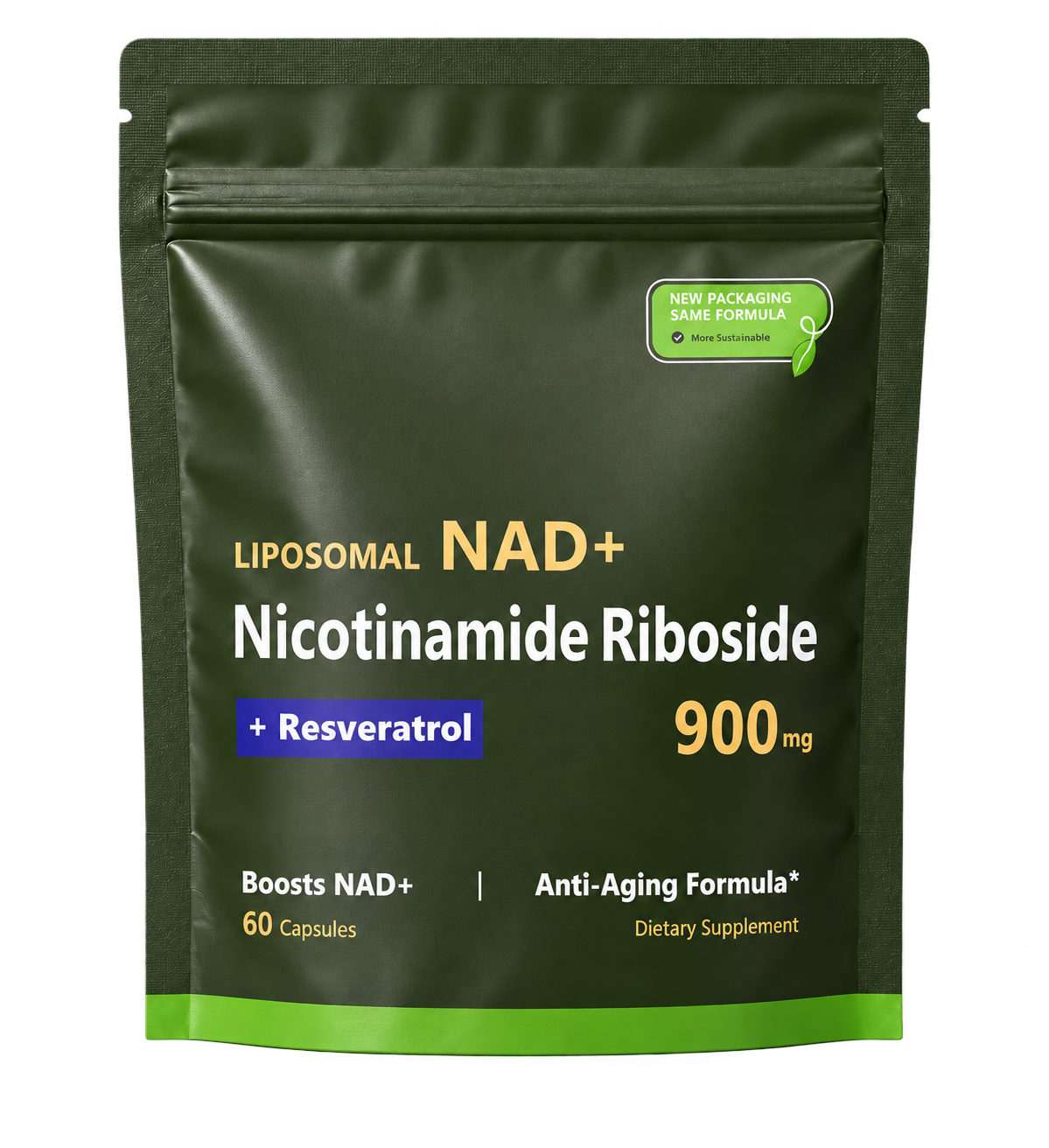
I used to treat every new ache like a separate problem… only to feel like something else would flare up a week later.
Numi combines three targeted actives designed to support the broader maintenance environment your body relies on as you age:
- Trans-Resveratrol — 150 mg: The same total daily amount used in a randomized study involving postmenopausal women
- Nicotinamide Riboside Hydrogen Malate — 500 mg: Supports NAD+ production and normal cellular energy pathways*
- Quercetin Phytosome — 250 mg: Supports antioxidant defenses and healthy cellular function*
Why it matters: If the change feels bigger than one sore knee or shoulder, chasing every ache separately may miss the bigger picture.
Research signal: A 2025 systematic review looked at 10 randomized controlled trials involving 928 postmenopausal women and found significant changes across several pain-related measures — while also noting that more research is still needed.
“I feel like I aged 20 years overnight. I’m still doing the same things I’ve always done.”
“I’d rather try something that helps me keep my activity level than just accept that I have to slow down.”
Same workouts. Same walks. Same you. Different recovery.
It May Not Be “Just Getting Older”
Menopause isn’t only about hot flashes.
A 2024 review in Climacteric described a broader collection of musculoskeletal changes associated with the menopause transition, including joint symptoms and changes involving muscle and bone.
That doesn’t mean menopause explains every ache.
Injuries, arthritis, thyroid issues, deficiencies, autoimmune conditions, medications and other factors can overlap and deserve appropriate evaluation.
But it may explain something many active women find confusing:
“Your lifestyle didn’t suddenly age 20 years. But the environment your body is operating in may have changed.”
If you’re still showing up for yourself but suddenly feel like your body isn’t responding the way it used to, the answer doesn’t automatically have to be:
“I need to stop doing so much.”

The Change Can Feel Bigger Than One Sore Joint
This is one of the biggest clues.
It isn’t necessarily:
“My knee hurts because I hurt my knee.”
It can feel more like:
“My knees are stiff.”
“My shoulder takes longer to loosen up.”
“My legs don’t bounce back like they used to.”
“I feel different after sitting too long.”
“My entire recovery window seems longer.”
Mentally, you’re still the same woman.
Your plans haven’t changed.
Your standards haven’t changed.
You still want the hike, the workout, the vacation, the long Saturday out with friends.
But suddenly your body seems to be asking for a different kind of support.
And that’s a very different problem from simply trying to numb one temporary ache.
Chasing Every Ache Separately Can Miss the Bigger Picture
Maybe you’ve already accumulated the familiar wellness cabinet:
Collagen. Magnesium. Turmeric. Fish oil. Protein.
Maybe you’ve stretched more, changed workouts or taken extra recovery days.
Those things can absolutely have a place.
Medical evaluation, physical therapy and appropriate menopause care can matter too.
But when the experience feels system-wide, it makes sense to ask a broader question:
“What if supporting this stage of life is partly about supporting the internal environment responsible for maintenance and resilience?”
Support a healthier environment around normal oxidative and inflammatory stress.*
Support cellular and tissue-maintenance pathways associated with healthy aging.*
Keep movement, appropriate strength training, protein, nutrition and recovery in the picture.
Because the goal isn’t to become better at avoiding activity. The goal is to keep doing it.
One Ingredient Has Actually Been Studied in Postmenopausal Women
This is where trans-resveratrol got our attention.
Not because “resveratrol” sounds trendy.
Because researchers have actually used it in randomized human studies involving postmenopausal women.
In one randomized, double-blind, placebo-controlled study involving 80 healthy postmenopausal women, participants received 75 mg of trans-resveratrol twice daily — 150 mg per day — for 14 weeks.
Researchers reported improvements in pain-related outcomes compared with placebo, while describing the findings as preliminary and calling for more research.
A later systematic review and meta-analysis evaluated 10 randomized controlled trials involving 928 postmenopausal women.
The authors found statistically significant changes in several pain measures, while also stressing that the effect sizes, variation between studies and clinical relevance should be interpreted cautiously.
What This Does Not Mean
This is not proof that resveratrol cures pain.
It does not mean resveratrol reverses menopause.
It does not mean every resveratrol supplement produces the same outcome.
What interested us was much simpler:
“There was human research in the actual life stage we cared about.”

Supporting This Stage Shouldn’t Require Another 12-Bottle Routine
This was important to us.
Women aren’t asking for another complicated wellness protocol.
They’re already doing enough.
So Numi was built as one straightforward daily habit.
Numi Liposomal NAD+ + Resveratrol
A small dark forest-green resealable pouch. 60 white capsules. Every active amount disclosed.
The headline ingredient and the amount that aligns with the total daily trans-resveratrol dose used in the 14-week study referenced above.*
A nicotinamide riboside form that acts as a precursor involved in NAD+ production.*
A phospholipid-based quercetin form designed around improved bioavailability.*
2 capsules once daily.
60 capsules. 30-day supply.
Every active amount disclosed. No giant proprietary blend.

The Real Goal Isn’t “Anti-Aging”
It’s being able to say yes without immediately calculating what your body will feel like tomorrow.
Going on the walk.
Taking the class.
Booking the excursion.
Keeping the strength routine you’ve worked hard to build.
Getting out of the car and moving like yourself.
Continuing to do the things that make you feel strong, capable and like yourself.
You don’t need to feel 25.
You want to feel capable enough to keep living like yourself.

Before You Add Another Supplement…
Ask three questions:
Was the headline ingredient researched in women around my life stage?
Can I see exactly how much I’m getting?
Does this product support the life I’m trying to preserve—or is it just another bottle making vague “anti-aging” promises?
Those questions are exactly why we built Numi the way we did.
The product page shows the full formula, serving information, research, current bundle options and guarantee.
SEE THE NUMI FORMULA & CURRENT OFFERSee exact ingredients, serving information, FAQs and current bundle options.
Persistent, severe, new or unusual pain should be evaluated appropriately rather than assumed to be menopause-related.
Dietary supplements are not intended to diagnose, treat, cure or prevent disease.
People taking medications, pregnant or nursing individuals, or people managing medical conditions should consult an appropriate healthcare professional before beginning a dietary supplement.
*These statements have not been evaluated by the Food and Drug Administration.